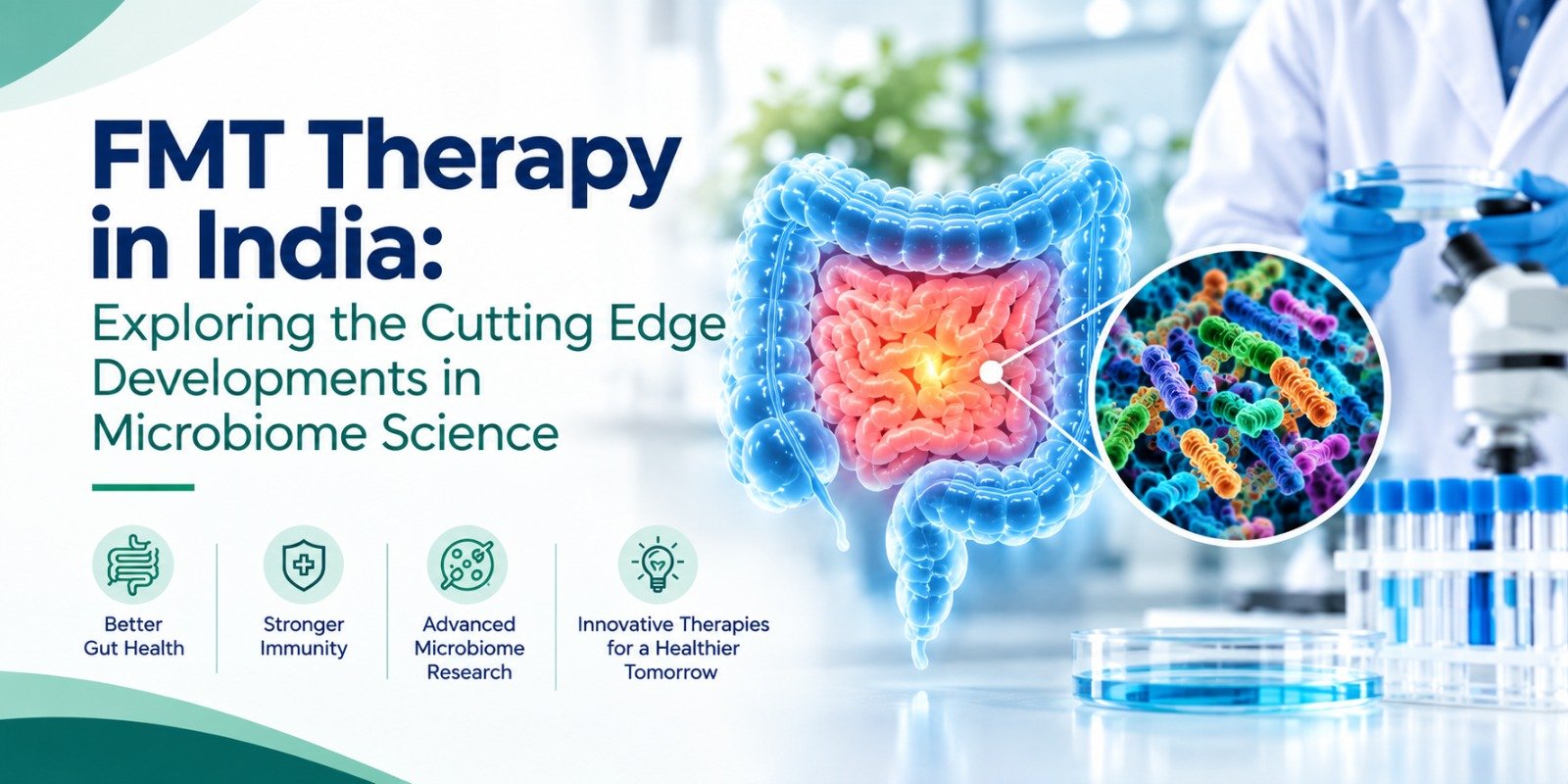
FMT Therapy in India: Exploring the Cutting Edge Developments in Microbiome Science
Introduction
The human body is a unique ecosystem made up of trillions of microorganisms that affect many processes in humans. The gut microbiome is an ecosystem that impacts digestion, immune system activity, metabolism, and interaction between the gut and brain.
In recent years, there have been advances in microbiome science, giving rise to new approaches in microbial ecosystem restoration and understanding of the effects on human health. One of the innovations in microbiome science is FMT (Fecal Microbiota Transplantation) which involves transplantation of beneficial microbial communities.
Resplice Research Institute works to advance research in microbiome science and explore the world of microbial ecosystems via scientific exploration and research-based practices.
This blog discusses the science behind FMT therapy in India, Fecal Microbiota Transplantation procedure, importance of gut microbiome balance, and the evolving role of microbiome research in modern healthcare.
What is Fecal Microbiota Transplantation (FMT)?
Fecal Microbiota Transplantation (FMT) is a microbiome procedure that involves transplantation of processed microorganisms from a healthy donor to the recipient.
The goal of FMT therapy is the introduction of diverse microbial communities that will restore the balance in the gut microbiome.
The Importance of Understanding the Gut Microbiome
The gut microbiome is the term used to describe the community of microorganisms found in the gut, which include bacteria, fungi, viruses, and other microbes.
The importance of a well-balanced gut microbiome lies in its role in:
- Maintaining gut health
- Contributing to immune system functioning
- Metabolizing microbial metabolites
- Providing protection from microbial dysbalance
- Promoting gut-brain communication
Therefore, the stability and balance of the gut microorganism community are critical.
This can get disrupted, resulting in what is called the gut microbiome dysbiosis. It is believed that this imbalance could have some implications for digestion, immunity, and other physiological functions.
FMT therapy: the science behind the therapy
FMT therapy works on the assumption that the restoration of microbial diversity will aid in improving the stability of the gut microbial ecosystem.
It consists of four scientific stages:
Donor Selection and Microbiome Testing
An essential part of the treatment is the safety of the procedure. Potential donors pass thorough screening procedures.
Microbial processing
Collected microbiome is processed with scientific approaches with the preservation of live microbes.
Microbiome transfer
Processed microbiome is transferred into the recipient’s gastrointestinal tract.
Monitoring
Continual assessment allows scientists to learn about changes in microbial structure and its interactions with humans.
Recent Developments in Research into FMT Therapy in India
The science of microbiome is advancing very quickly in India, with scientists and researchers discovering many new ways to utilize microbes for medical treatment.
Some of the latest developments include:
High-Tech Gut Microbiome Analysis
Using the most up-to-date methods, researchers can analyze the diversity of microorganisms in the gut microbiome.
Personalized Microbiome Study
In future studies on the microbiome, there will be a focus on personalized microbiome.
Understanding Microbial Communities
Scientists are currently studying how different microorganisms work and affect human body processes.
Development of Microbiome Medicine
FMT therapy is one of the treatments being researched in the expanding area of microbiome medicine.
The Role of Resplice Research Institute in Microbiome Research
At Resplice Research Institute, the primary goal is to investigate the correlation between microbes and human health via microbiome research.
Resplice Research Institute strives to make its contribution to the developing sphere of microbiome science by concentrating on:
- Gut microbial ecosystem study
- Microbiome diversity and function research
- Advanced microbiome approaches investigation
Awareness promotion regarding gut health and microbial balance
Scientific advancements support in the field of microbiome research
Using research-oriented approaches, Resplice Research Institute strives to develop microbiome science.
FMT Specialists and Their Role in Microbiome-Based Approaches
The knowledge of FMT specialists is vital for comprehension and application of microbiome-related practices.
FMT specialists include individuals who:
Diagnose diseases associated with the microbiome
- Identify patient-specific needs
- Apply safety principles of science
- Analyze microbiome test results
- Help in research and application of findings
As science advances in the field of microbiome, specialists will help in bridging the gap between science and practice.
FMT Therapy vs Probiotics: Understanding the Difference
Although both involve beneficial microorganisms, FMT therapy and probiotics work differently.
Probiotics
- Contain specific strains of microorganisms
- Are commonly available as supplements
- Provide selected microbial support
FMT Therapy
- Transfers a complete microbial community
- Focuses on restoring microbial diversity
- Requires scientific evaluation and medical supervision
Understanding these differences helps people recognize the unique role of each approach in microbiome research.
The Future of Microbiome Research in India
The future of healthcare is moving toward more personalized and research-driven approaches. The study of the gut microbiome is opening new opportunities to understand how microorganisms influence human biology.
With continued advancements in technology, research methods, and microbiome analysis, FMT therapy in India represents an important area of exploration within modern microbiome science.
Researchers at institutions like Resplice Research Institute continue to contribute toward a deeper understanding of microbial ecosystems and their potential applications.
Conclusion
Fecal Microbiota Transplantation (FMT) is an emerging field within microbiome research that highlights the importance of maintaining a balanced gut ecosystem.
Through advanced research, scientific investigation, and collaboration with FMT specialists, Resplice Research Institute aims to contribute to the growing understanding of microbiome-based healthcare.
As research continues to evolve, the connection between FMT therapy, gut microbiome health, and personalized medicine may open new possibilities for the future of healthcare.
To learn more about FMT Therapy, Fecal Microbiota Transplantation, and gut microbiome research, consult Resplice Research Institute, Manikonda, Hyderabad, and get expert guidance from experienced microbiome specialists.
FAQs: FMT Therapy & Gut Microbiome
1. What is FMT Therapy?
FMT Therapy (Fecal Microbiota Transplantation) is a microbiome-based approach that transfers healthy microorganisms to help restore gut microbiome balance.
2. How does FMT help the gut microbiome?
FMT helps introduce beneficial microbial communities to improve gut microbiome diversity and balance.
3. What is the gut microbiome?
The gut microbiome is a community of microorganisms in the digestive system that supports digestion, immunity, and overall health.
4. Is FMT Therapy available in India?
Yes, FMT Therapy is an emerging area of microbiome research in India with growing scientific interest.
5. What is the future of FMT Therapy?
FMT Therapy is a growing field with potential applications in personalized medicine and advanced microbiome research.